
THE BLOG

Hormonal imbalances are something so many of us deal with, but rarely talk about openly. For some reason speaking about periods and everything that comes with it is still taboo in 2025? Weird. I’m over it and don’t care. My period has been an inconvenience since the first time I got it in middle school. Shout out to my 6th grade teacher, Ms. McCarthy.
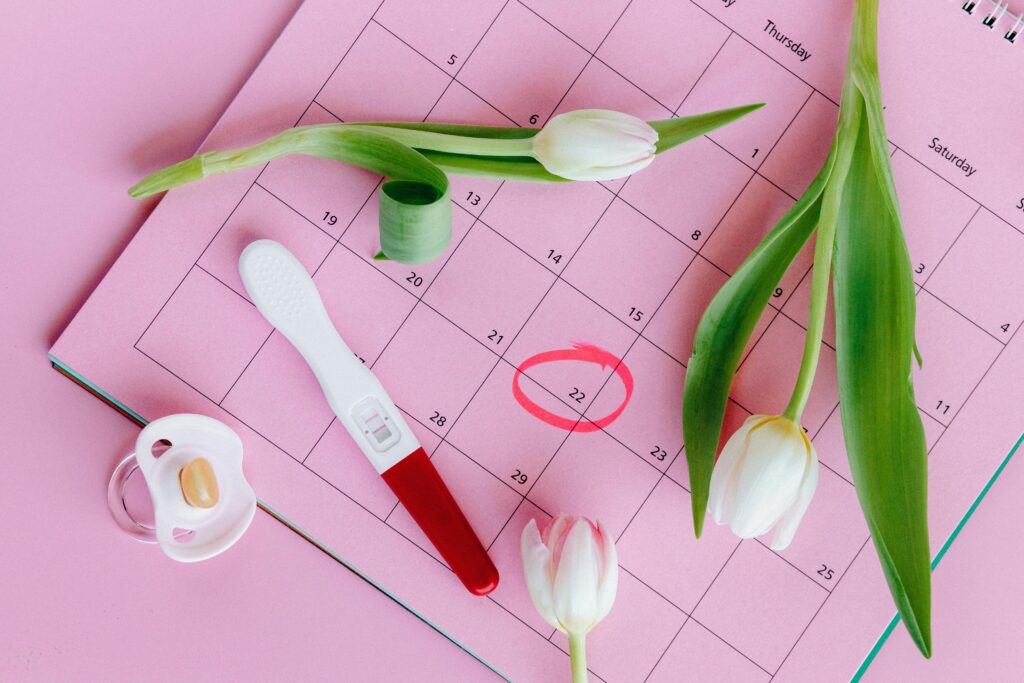
“Now I’m at lunch with the flakiest layers of 1 ply public school toilet paper”
She was teaching us about Irish dancing since St. Patrick’s Day (also my birthday) was a few days away. I remember this vividly because it was traumatic. I felt a sensation I never felt in my life and asked to go to the bathroom. I screamed, did what I had to do with toilet paper and went back to class and told Ms.McCarthy. She was so sweet and called the nurses office and asked for a pad and they told her I had to wait until after lunch. Umm what?! Haha. Like I said, traumatic. Now I’m at lunch with the flakiest layers of 1 ply public school toilet paper. Fast forward a year later and I came to terms with heavy and irregular periods. Was this hereditary? Was it because I was an athlete? Lived somewhere with high crime? A mix of all the things?
Like many women, I was placed on birth control early on to “regulate” my period. At first, I thought it was just something I had to do but after 12ish years on birth control, I realized it wasn’t just regulating my cycle, it was also affecting my mood. I started feeling gloomy, disconnected, and not like myself. Eventually, I decided to get off, and that opened a whole new chapter of trying to understand my body on my own terms. I did cycle through a few different pills but never tried any shots or IUDs.
Living With PCOS
Polycystic Ovary Syndrome (PCOS) has shown up in my life in ways that are frustrating and unpredictable. Add to that my family history of reproductive health issues. I had to go through a biopsy and LEEP procedure last year. If you’re reading this then you already know how exhausting it all is.
What makes PCOS even harder is the mental and emotional weight it carries. Having to follow routines, stick to schedules, manage stress, and stay “on top of things” can feel like you have to be perfect just to keep your body in some sort of homeostasis. The truth is, we try to not stress ourselves but life, adulthood (which is so ghetto, let’s be real), and even the state of the world can make that easier said than done.

As an empathetic Pisces, I try hard not to internalize everything going on but…sigh. There are stretches of time where I feel amazing for months, and then suddenly I’ll go months without a period or find myself bleeding nonstop for weeks. It’s draining but I have reframed my mindset.
Instead of thinking my body hates me I now know my body is simply just reacting to its environment. My body and I both know we were meant to live the softest life by the beach, eating fruit and just existing. My body is high maintenance and I love that for me. The hustle, non stop grind, ‘sleep when you’re dead’ capitalist culture does not align with my body. But, alas, this is the world we are living in (& trying to change) so what can we do in the meantime?
Caribbean Remedies for Reproductive Health
While there isn’t one cure-all for PCOS or hormonal imbalances, I’ve leaned into my Caribbean roots for support. Our food and natural remedies have always been part of the way we care for our bodies. Here are three I’ve found especially helpful for reproductive health:

1. Beets & Molasses
Beets are rich in iron and help replenish blood levels, which is especially important if you’ve been bleeding for weeks. Molasses adds an extra touch of sweetness but is also rich in iron, magnesium, and calcium, which can alleviate cramps. It can also help regulate blood flow and stimulate red blood cell production . This combo has been passed down for generations as a tonic for women’s health in the Dominican Republic.
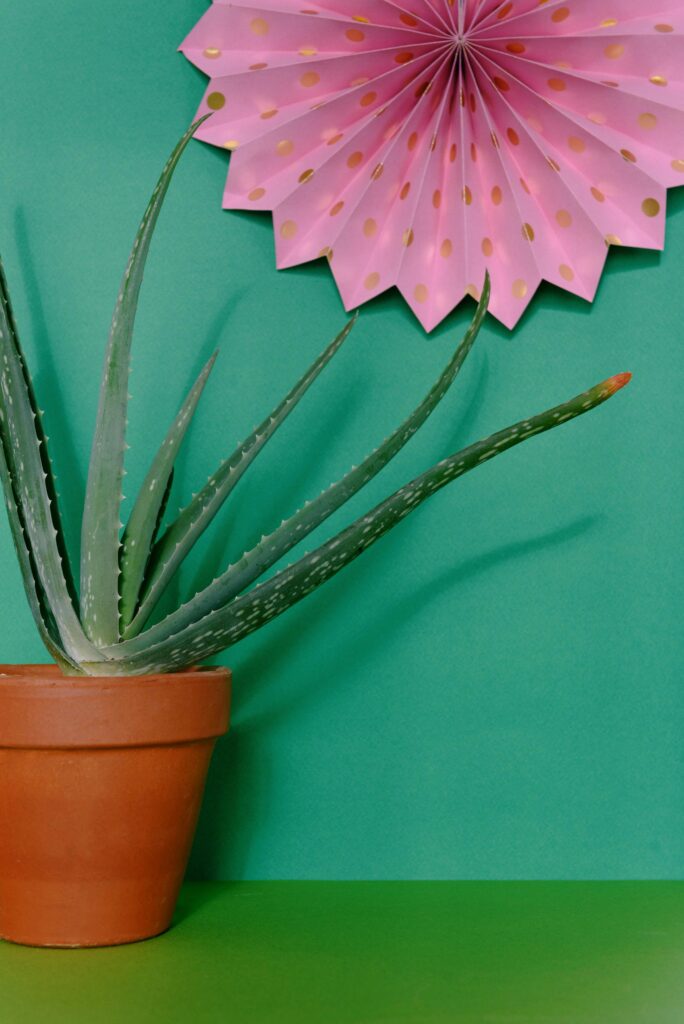
2. Aloe
Aloe vera isn’t just for your skin it’s also used traditionally to help cleanse and soothe the body internally. Taken in small amounts, it can support digestion, reduce inflammation and has been used to help regulate cycles. Cut a fresh aloe leaf and carefully remove the gel inside Blend about 1–2 tablespoons of the gel with water, coconut water, or juice.Some people also mix it with a little honey or lime juice to help with taste.

3. Spearmint & Raspberry Leaf Tea
Spearmint tea has been shown in some studies to support women with PCOS by helping balance certain hormones and reduce excess androgens. Raspberry leaf tea, on the other hand, has long been used to strengthen the uterine lining and ease menstrual symptoms. Together, they create a calming, supportive tea blend.
Sources:
https://pmc.ncbi.nlm.nih.gov/articles/PMC10065776
https://pmc.ncbi.nlm.nih.gov/articles/PMC10418663
Food plays a big role in how our hormones show up in everyday life. Many women with PCOS or irregular cycles find that eating gluten-free and high-protein meals can support blood sugar balance, reduce inflammation, and help regulate periods. If you’re looking for more guidance, you can check out the 4 Week Caribbean Meal Plans and Fit Caribbean Kitchen recipe book.
Supplements That Can Support Hormonal Balance
Managing PCOS and hormonal imbalances is not linear. Some days, I feel like I’ve got it all under control, and other days, it feels like my body has a mind of its own. What I’ve learned is that routines, rest, and ancestral remedies are key tools in my toolkit. It’s not about perfection it’s about listening, adjusting, and giving myself grace when my body is asking for it.
I asked our community over on Instagram what has helped them, and they gave some great suggestions and recommendations ranging from inositol to primrose oil and everything in between. These may support cycle regulation, mood, and overall reproductive health. Remember to always do your own research and consult with a doctor before adding anything new to your routine.
- MavoCare Mama’s Remedy Liquid Iron Vitamin
- Ovasitol® Inositol Powder Supplement
- Zazzee PREGNOSITOL Powder
- Optify Myo-Inositol & D-Chiro Inositol
- New Roots Myo-Inositol
- Black Girl Vitamins PCOS RELIEF
- Deva Vegan Evening Primrose Oil
Cheers to healing in community because we can’t do this alone. Xoxo


